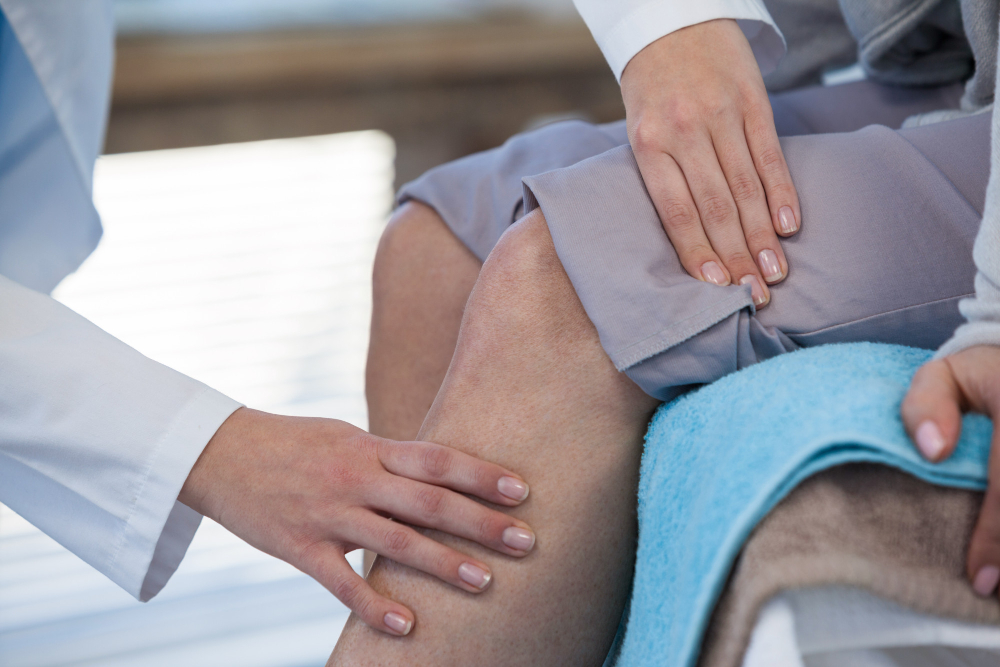
What is Total Knee Replacement (TKR)?
Total Knee Replacement (TKR) is a surgery that replaces a damaged knee joint with an artificial one. Doctors often suggest TKR when knee pain and stiffness make daily life hard. Usually, this procedure helps people walk, climb stairs, and enjoy life again. Many people choose TKR when other treatments do not work. According to the World Health Organization, TKR is safe and effective for severe knee problems.
Common Symptoms Leading to TKR
Many people wonder when knee pain means something serious. Often, these symptoms lead doctors to suggest TKR:
Sometimes, pain can wake you at night. If you notice these signs, it may be time to talk to a doctor.
Causes and Risk Factors for Needing TKR
Many things can damage the knee joint. For example, these are common causes:
In addition, age and family history can raise your risk. Some people may need TKR earlier if they have jobs that strain the knees.
Diagnosis and Evaluation Process
First, your doctor will ask about your symptoms and medical history. Next, they will check your knee for swelling, movement, and pain. Often, X-rays or MRI scans help show the damage inside the joint. Blood tests may also rule out other problems. After these steps, your doctor will decide if TKR is the best choice for you.
TKR Procedure Overview
Before surgery, your doctor will explain how to prepare for TKR. Usually, you will need some tests to check your health. On the day of surgery, you will get anesthesia to keep you comfortable. Then, the surgeon removes the damaged parts of your knee. After that, they place the new artificial joint. The whole process takes about two hours. Most people stay in the hospital for a few days after TKR.
Recovery and Rehabilitation
After surgery, recovery is very important. Physical therapy starts soon to help you move your knee. At first, you may need a walker or crutches. Gradually, you will walk more on your own. Most people return to normal activities in 6 to 12 weeks. However, full recovery can take up to a year. Following your doctor’s advice helps you heal faster. For example, doing exercises at home can speed up recovery.
Benefits and Potential Risks of TKR
TKR offers many benefits, such as:
However, there are some risks. These include:
Still, most people do well after TKR. According to the CDC, serious problems are rare. It is important to discuss TKR risks and benefits with your doctor.
Lifestyle Guidance and Tips for Patients After TKR
After TKR, you can take steps to protect your new knee. For example, try these tips:
In addition, regular check-ups help your doctor spot any problems early. If you live in a city with TKR specialists, such as TKR in New York, you may find extra support groups or rehab centers nearby.
Prevention and Joint Health Maintenance
While not all knee problems can be prevented, you can lower your risk. For instance, try these steps:
Early care for knee pain can also prevent bigger problems later. If you notice knee pain, see a doctor soon.
Conclusion
Total Knee Replacement (TKR) can help many people live better lives. If you have knee pain that will not go away, TKR may be an option. Consult an orthopedic specialist at Dr. Alvin‘s clinic to discuss if TKR is right for you.